Advancing human rights, democracy, equality and justice through parliamentary leadership in Pakistan – a non-partisan voice for every citizen.
The Parliamentarians Commission For Human Rights (PCHR) is a non-partisan organisation working in pursuit of a just and tolerant society – free from all forms of extremism – where citizens have confidence in public institutions and are secure in the enjoyment of their fundamental rights.
We mobilise parliamentarians to become effective defenders of human rights, working alongside local, national, regional and international organisations engaged at all levels of Pakistani society.
Although democracies and human rights are often taken as twin concepts, the practice of democracy in the federated system of Pakistan brings unique realities. The two are interdependent though not identical – a Universal Declaration of Human Rights (UNDHR) 1948 still draws upon the spirit it embodied: periodic and genuine elections combined with the freedom to participate.
Parliament has four major roles: making laws, scrutinising the government, representing the public, and ensuring rights are not just protected on paper but lived by every citizen of Pakistan.

"Democracy and human rights are inseparable companions in the journey of a free nation."
Human rights are rights inherent to all human beings, whatever our nationality, place of residence, national or ethnic origin, colour, religion, language, or any other status. We are all equally entitled to our human rights without discrimination. These rights are all interrelated, interdependent and indivisible.
Human rights are universal and inalienable. Everyone is entitled to them - without distinction. They cannot be taken away except in specific situations and according to due process.
All human rights are indivisible — civil, political, economic, social, cultural and collective rights are interrelated. The advancement of one facilitates the advancement of others.
Non-discrimination is a cross-cutting principle of international human rights law. It prohibits discrimination based on race, colour, religion or any other status.
States assume obligations to respect, protect and fulfil human rights. Individuals, while entitled to their rights, should also respect the rights of others.
Although democracies and human rights are often taken as twin concepts, the practice of democracy in the federated system of Pakistan brings unique realities. The two are interdependent though not identical – a Universal Declaration of Human Rights (UNDHR) 1948 still draws upon the spirit it embodied: periodic and genuine elections combined with the freedom to participate.
A portfolio of interventions designed and led with parliamentarians, civil society and international partners.
Explore our reports, research papers, press releases and treaty literature.
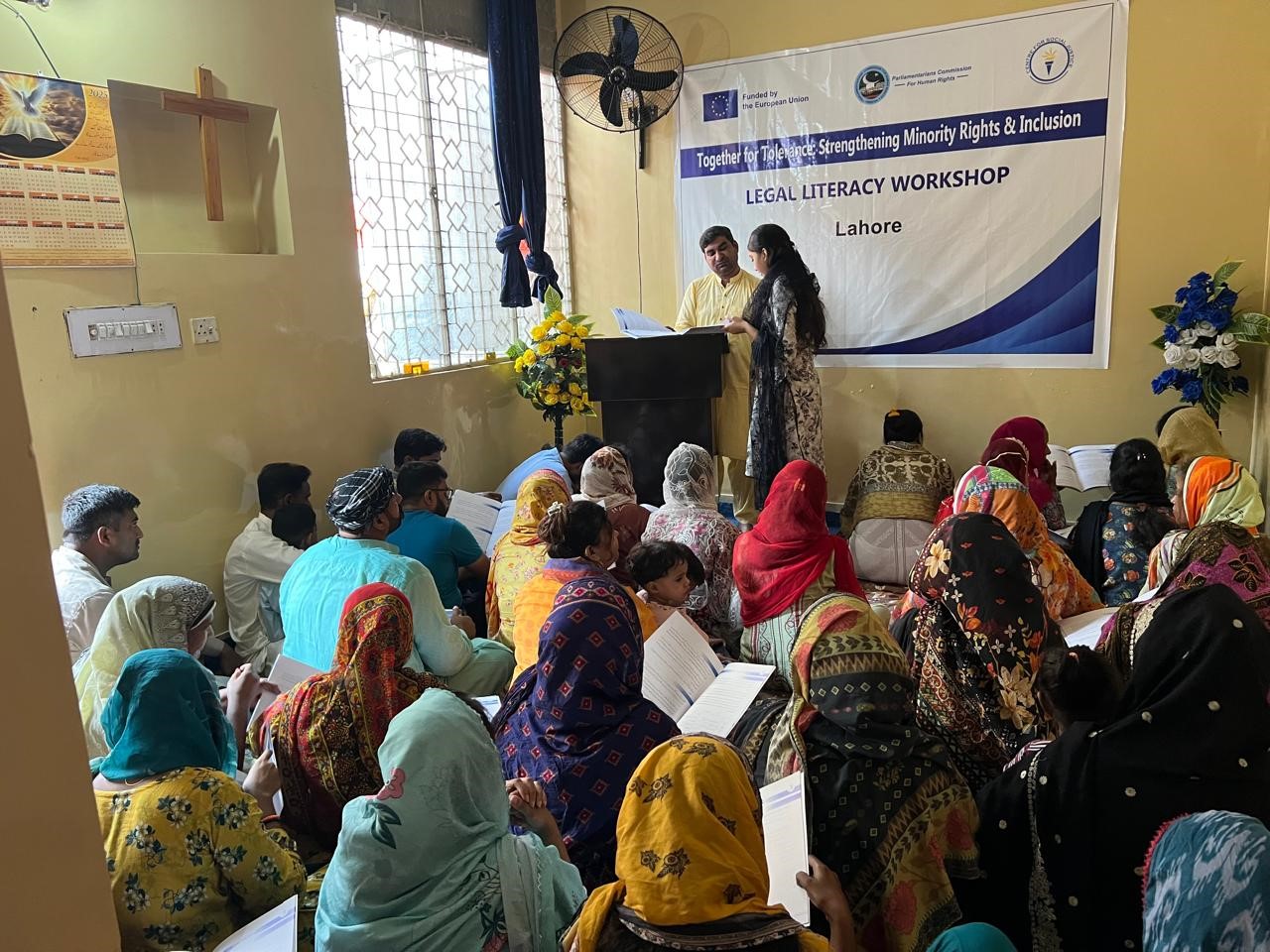
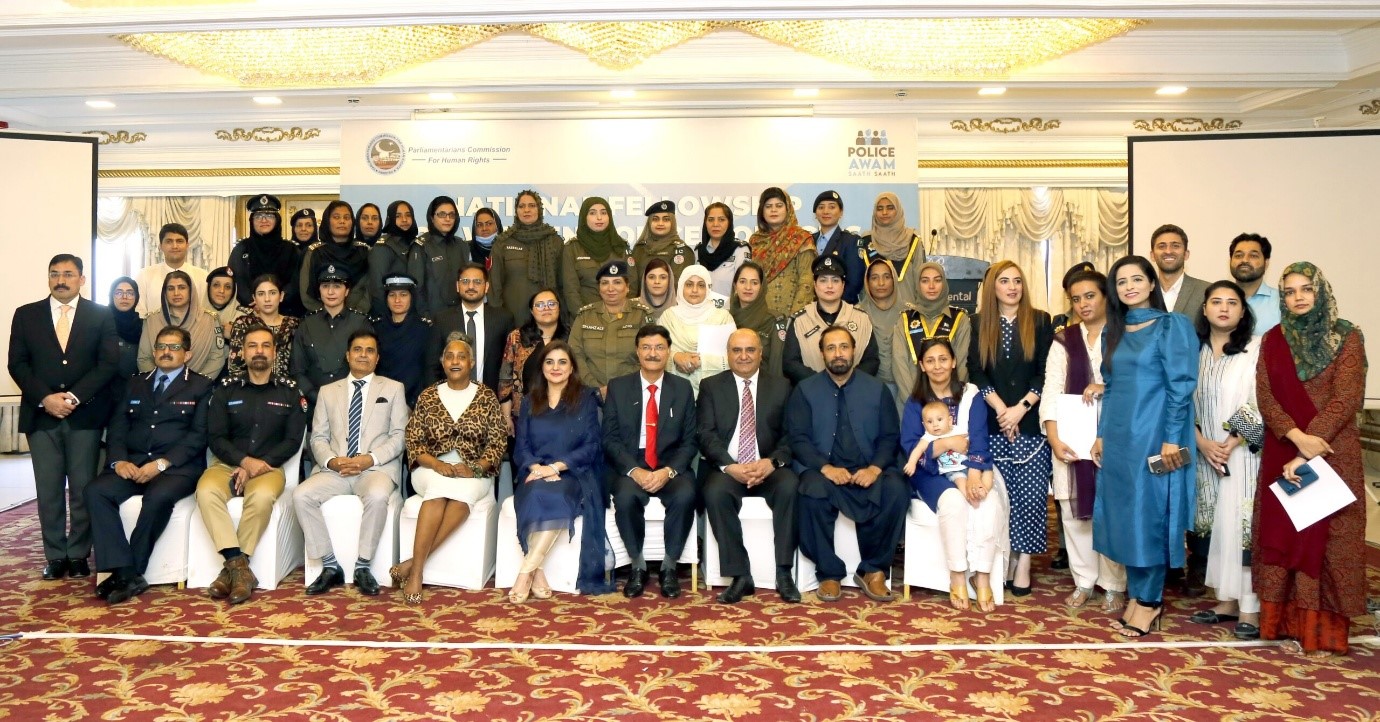
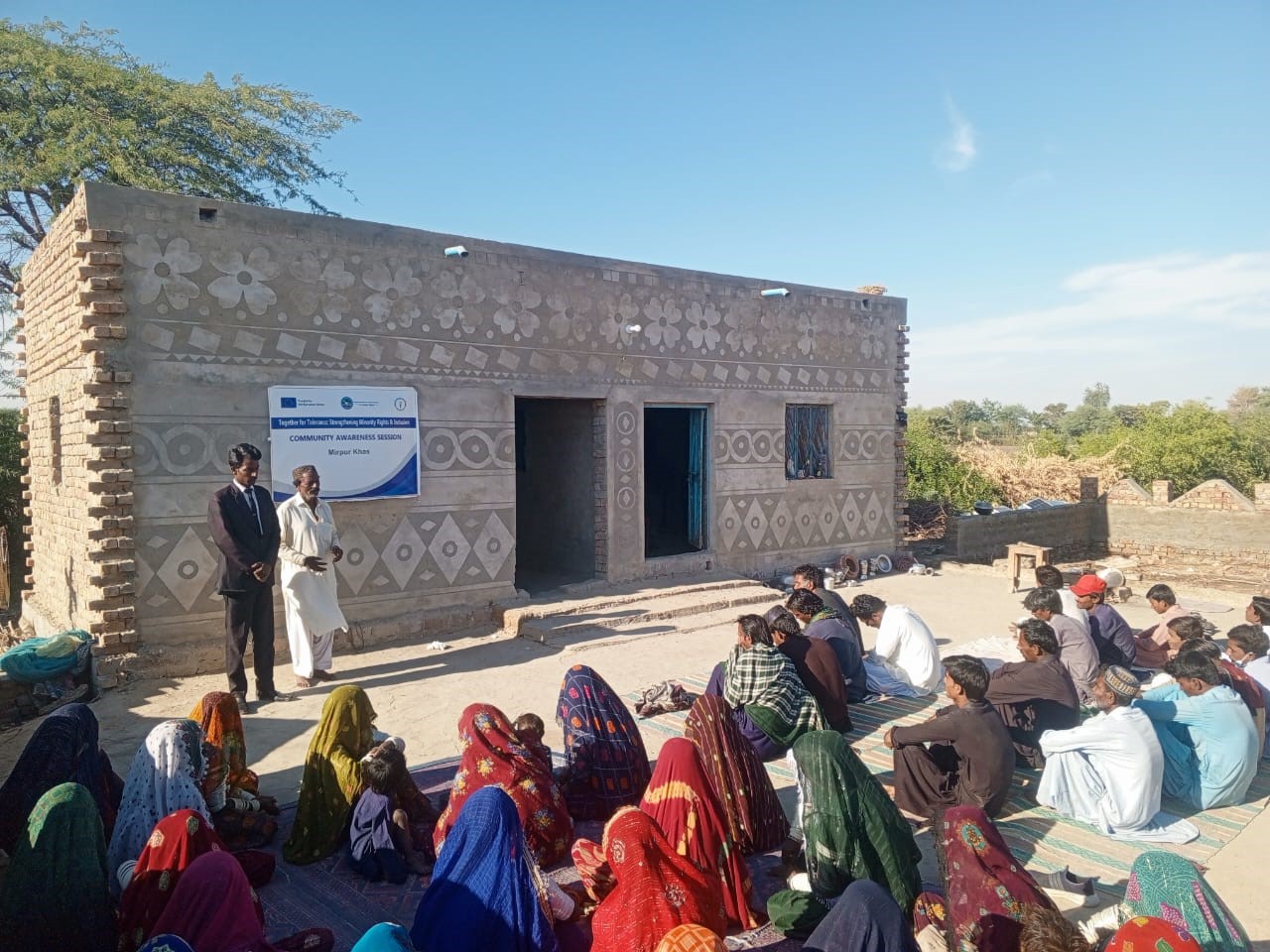
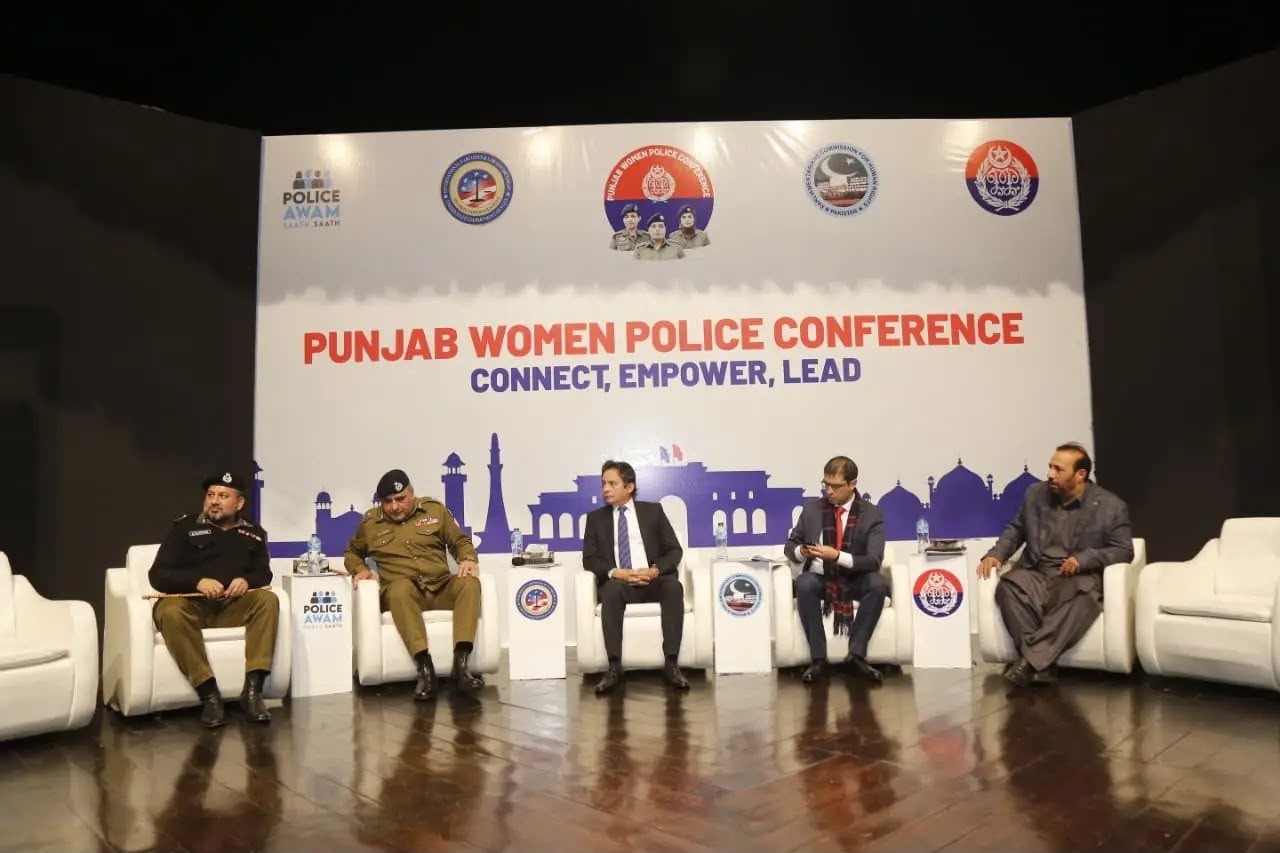
Snapshots from conferences, parliamentary sessions and field activities.
Whether you’re a parliamentarian, journalist, researcher or civil society organisation – we’d love to hear from you.